Serving Destin, FL & nearby(850) 615-1243
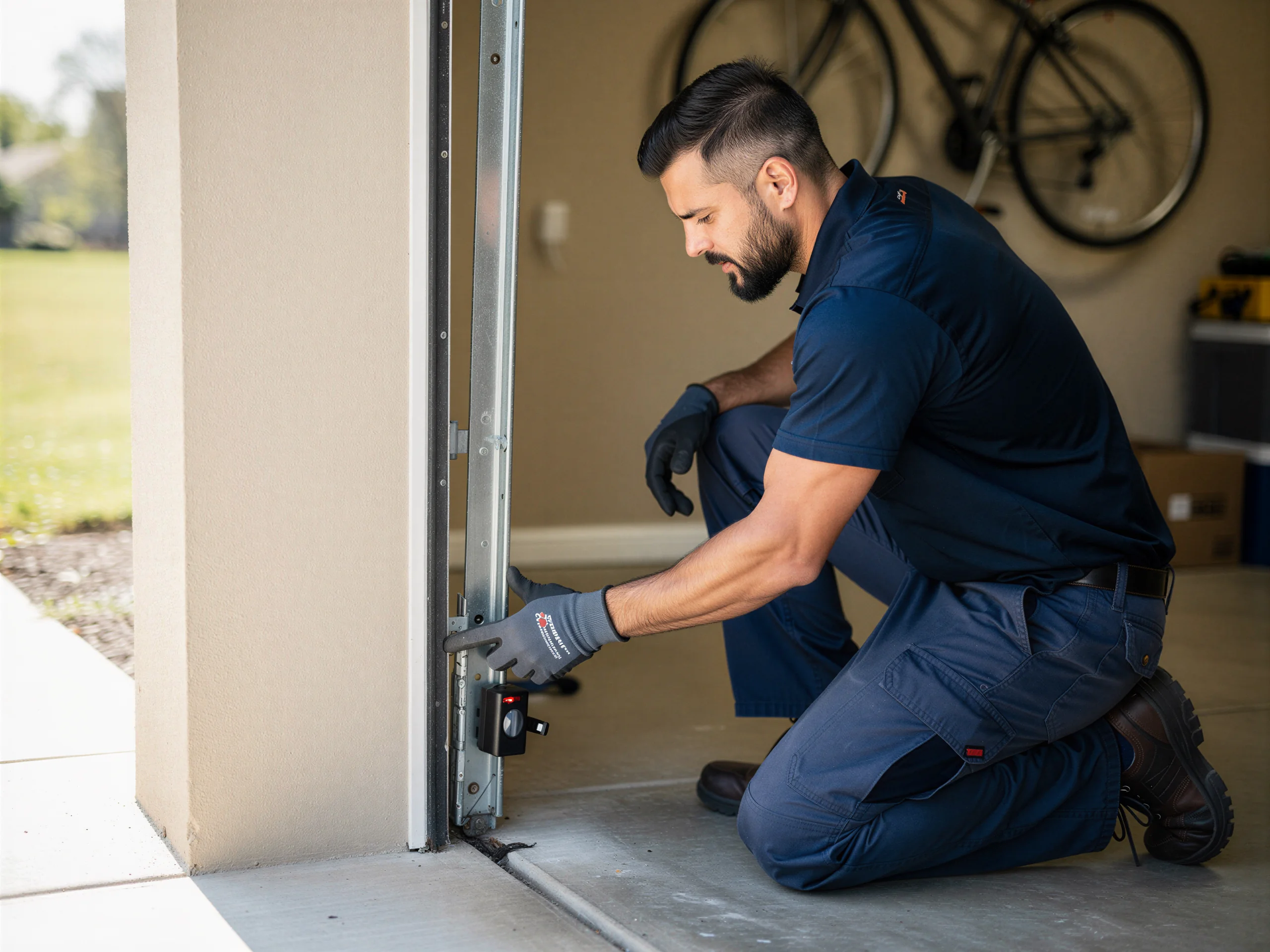
A technician kneels, adjusting a garage door sensor on the track.

Destin, FL

Garage Door Maintenance for Destin Homes

Tune-ups for Destin's 1970s-era torsion hardware and salt-air corrosion. Serving the whole Destin service area, from Lake Lorraine to Hurlburt Field.

Serving Destin, FLBackground-checked techsHonest, upfront pricingFast local response
Local
Crews that work this area daily
Same-day
Response for most repair calls
Upfront
Pricing agreed before we start
Insured
Background-checked technicians

Pricing

What It Costs

We're not going to throw a number at you here, because a tune-up on a ten-year-old door with a newer opener costs a lot less than servicing a door that's been running on original 1970s-era hardware since it went in.

Parts needing attention

What drives the bill is how many parts need attention: springs, rollers, cables, hinges, and the track alignment all get checked, and any one of them can be fine or can need work. What we can tell you is what doesn't make sense to spend money on.

Band-aid maintenance visits

If a door is old enough that the torsion springs, the rollers, and the opener are all original, a maintenance visit that just lubes and adjusts is a band-aid - at some point replacement parts cost more cumulative than a new spring set and a service call combined.

Straight talk about parts

We'll tell you straight if that's where your door is instead of running up a tab on parts that are going to fail again in a year. Across our service area, with a median household income of $81,938 and 8,743 owner-occupied houses, most people are maintaining a door they plan to keep for years, not flipping a house next spring. That changes what's worth fixing versus replacing, and we price the visit around that.

Local causes

What Causes It Around Here

Most of the housing across this part of the coast went up between 1973 and 2013, with the median build year sitting around 1979, and the seven areas we cover - out toward Lake Lorraine, Valparaiso, Shalimar, Miramar Beach, Ocean City, Mary Esther, and Hurlburt Field - skew heavily 1960s and 70s in their garage door hardware even where the house itself got updated. That means a lot of torsion springs and galvanized cable that are original or close to it, sized for doors that have since been replaced with heavier insulated panels the spring was never rated for.

The climate here is mild with occasional freezes, so you don't get the hard winter contraction that snaps springs up north. What you get instead is humid, salt-laden Gulf air working on every exposed metal part year-round. Rollers rust in their stems, hinges seize, and torsion springs lose their coating and start pitting long before they'd fail from fatigue cycles alone. Track bolts back out of wood jambs that have swelled and shrunk through enough humid summers.

That combination - older hardware, coastal air - is why doors that look fine from the driveway are often one stuck roller away from a cable jumping its drum.

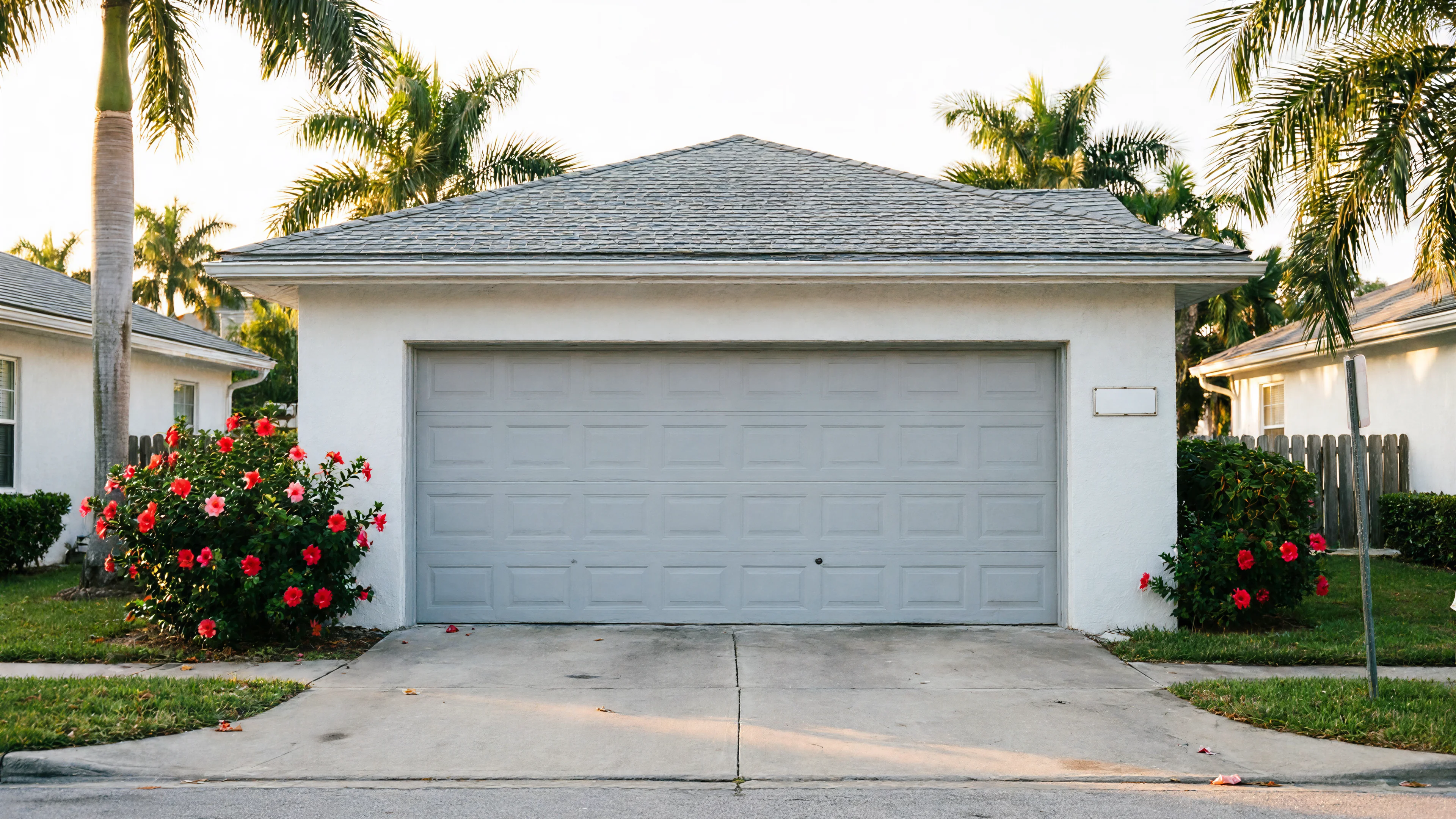
A closed gray panel garage door on a white house with red flowers.

DIY or pro

Doing It Yourself

There's real maintenance a homeowner can do without a truck showing up. Wipe down the tracks and check them with a level - Gulf humidity swells door jambs over time, and a track that's pulled even a little out of plumb will bind or let rollers pop their groove.

Lubricating hinges and rollers

Lubricate hinges and rollers with a garage-door-specific lithium or silicone spray a couple times a year; the coastal air eats through anything thinner faster than you'd expect inland. Check the weatherstripping at the bottom panel.

Weatherstripping cracks from sun

In this climate it dries out and cracks from sun and salt faster than the rest of the door shows wear, and a gap there lets humid air and water in where it can start corrosion on the bottom roller bracket. What you shouldn't touch: the torsion spring itself.

Stored tension is dangerous

It's under enough stored tension to cause a serious injury if it lets go while you're working on it, and on an original 1970s-era spring that tension is held by hardware that's had 50 years to corrode. If a spring looks rusted, flattened on one side, or the door feels heavier to lift by hand than it used to, that's a call, not a weekend project.

Warning signs

How It Shows Up

The first sign is usually noise - a grinding or squeal from rollers that have gone dry, or a hinge that chirps every time the door cycles.

Surface rust pitting

On the older hardware common across this area, that noise often means surface rust has started pitting the metal, not just dirt buildup. Next is a door that feels heavier or lighter than normal when you lift it by hand with the opener disconnected. A spring that's lost tension from age or corrosion makes the door feel like dead weight; one side weaker than the other makes it rack and bind in the track instead of rising square.

Opener reversing partway up

You'll also notice the opener straining - running longer, reversing partway up, or the motor sounding like it's working harder than it used to. That's often the opener compensating for drag from a stuck roller or a track that's shifted out of line, not a sign the opener itself is failing.

Visible rust on coils

Last is visible rust or pitting on the spring coils or cable, which in our coastal air shows up well before a comparable door would corrode further inland. Once you can see it on the spring, the clock on that part is already running short.

Questions

Common questions

How often should I get my garage door serviced living this close to the Gulf?

More often than a comparable house inland, because the salt air in the air here accelerates corrosion on springs, rollers, and track hardware. If your house falls in the older end of the 1973-2013 build range common across this area, twice a year is a reasonable check, especially on original hardware.

Is it worth maintaining a garage door that's original to a 1970s house?

Sometimes, sometimes not. If the springs and rollers are original and showing rust or pitting, a tune-up buys you a little time but doesn't stop the clock. We'll look at the actual hardware and tell you honestly whether servicing it or replacing the aging parts makes more sense.

Can I lubricate the opener chain or belt myself?

Chain drives, yes, with a light lubricant made for garage doors. Belt drives generally don't need it and lubricant can actually cause slipping. If you're not sure which you have, it's worth asking before spraying anything on it.

Explore more

Explore More Services In Destin, FL

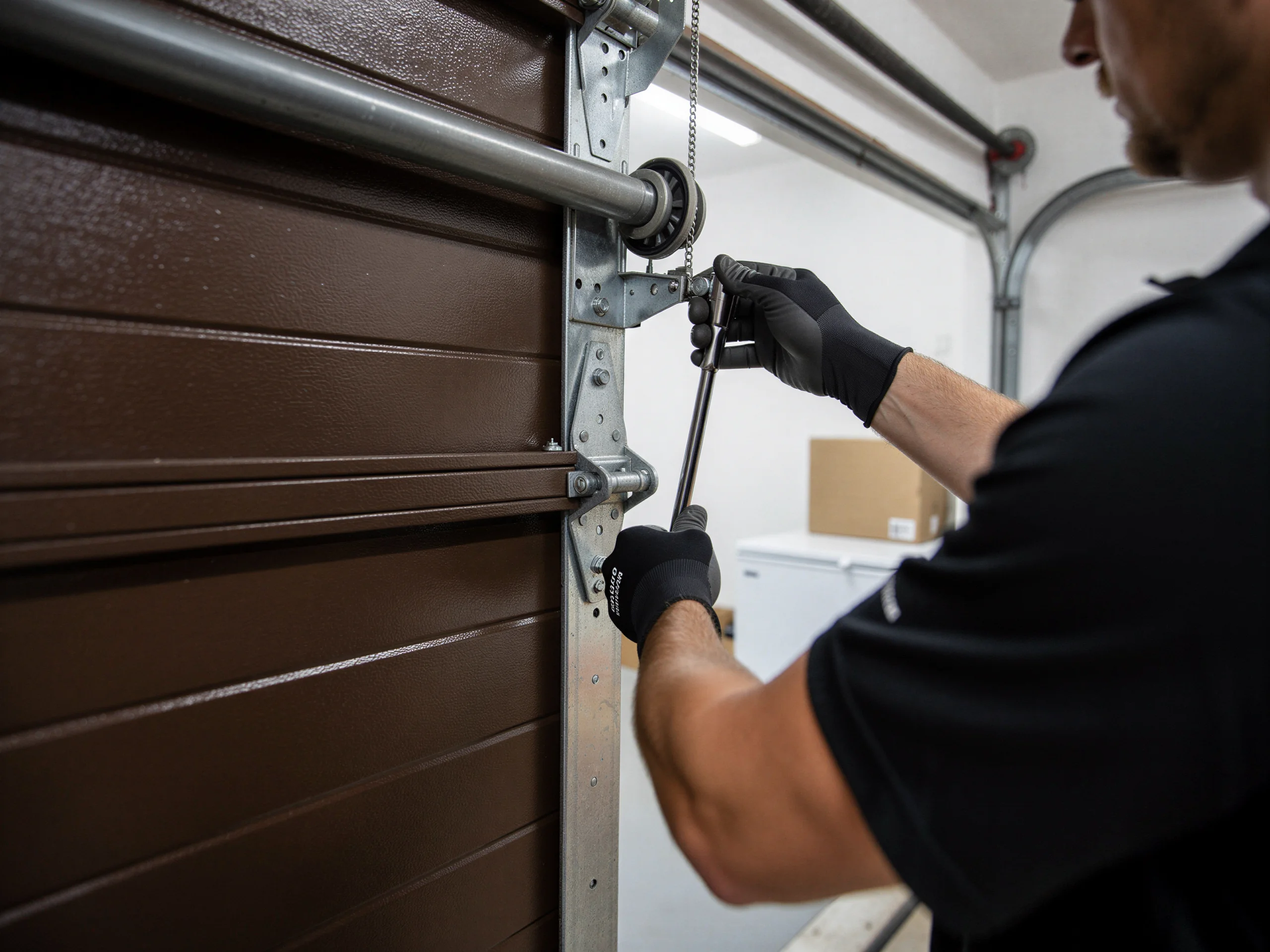
A technician in black gloves adjusts a brown garage door with a tool.

Garage Door Repair for Destin Homes

Garage door repair for Destin homes built between 1973 and 2013. Learn more →
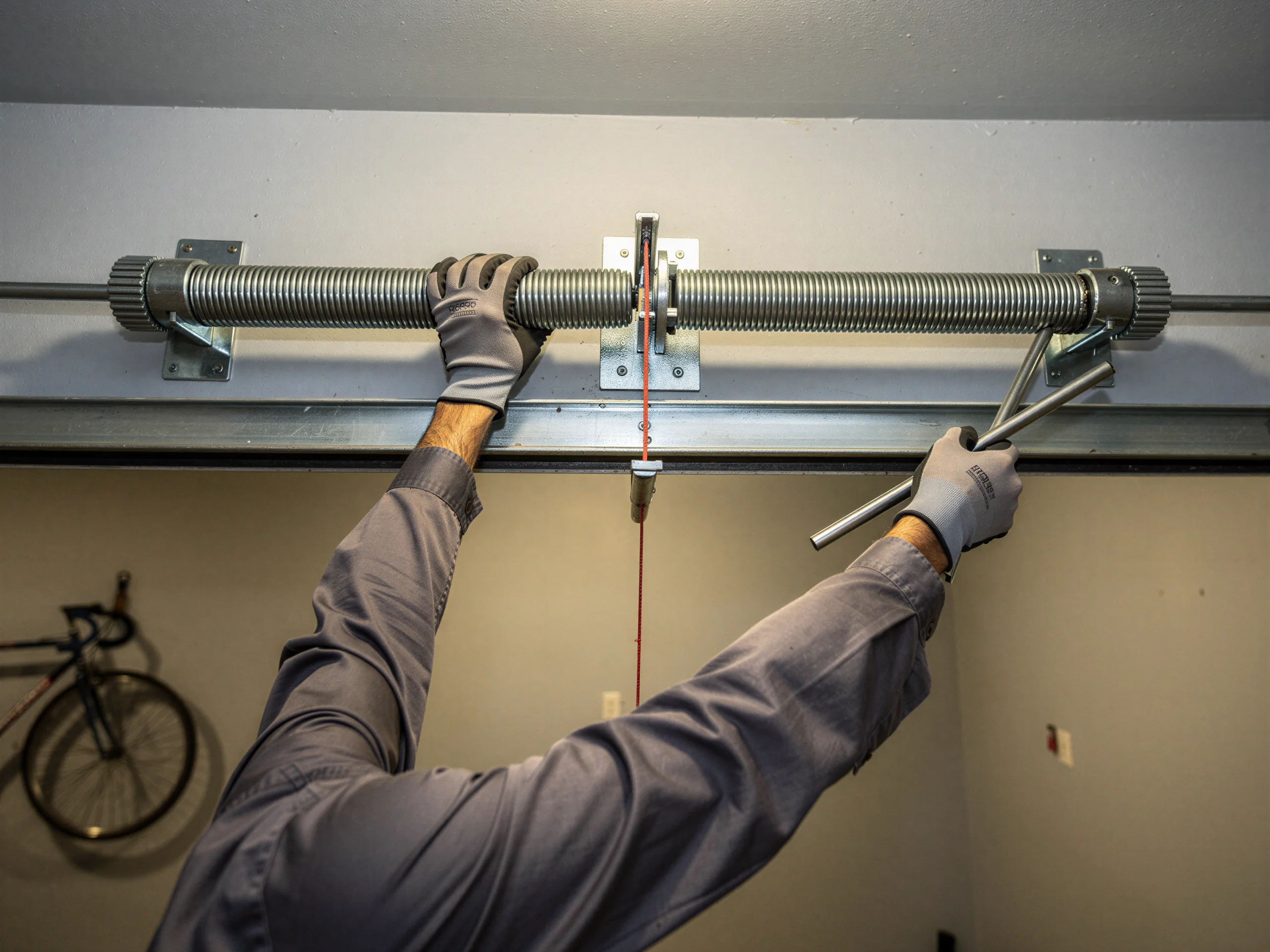
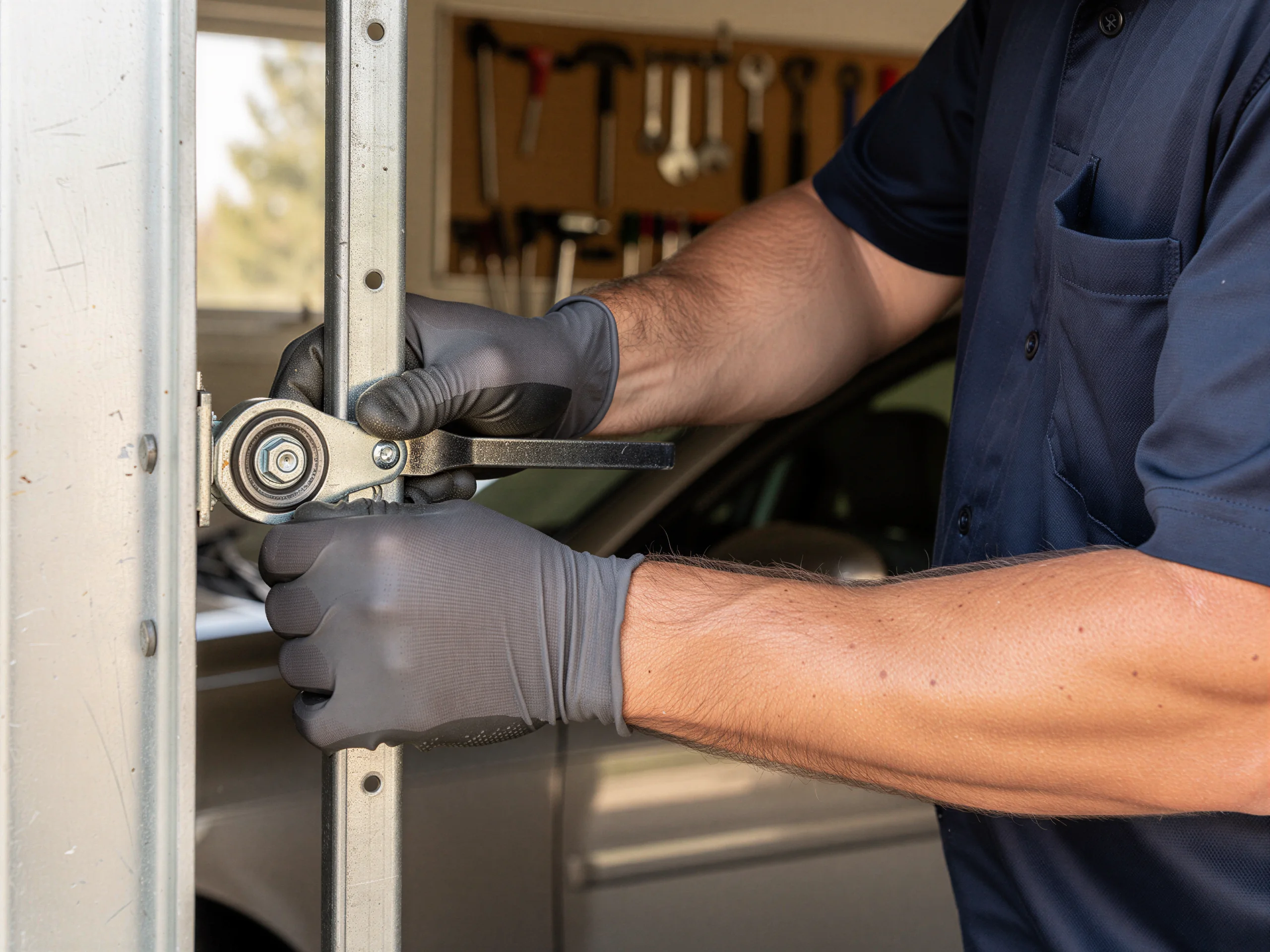
A technician adjusts a garage door torsion spring with winding bars.

Garage Door Spring Repair, Destin FL

Torsion and extension spring repair for Destin homes built mostly between 1973 and 2013, with housing stock and Gulf Coast humidity both playing a part in how springs fail here. Learn more →
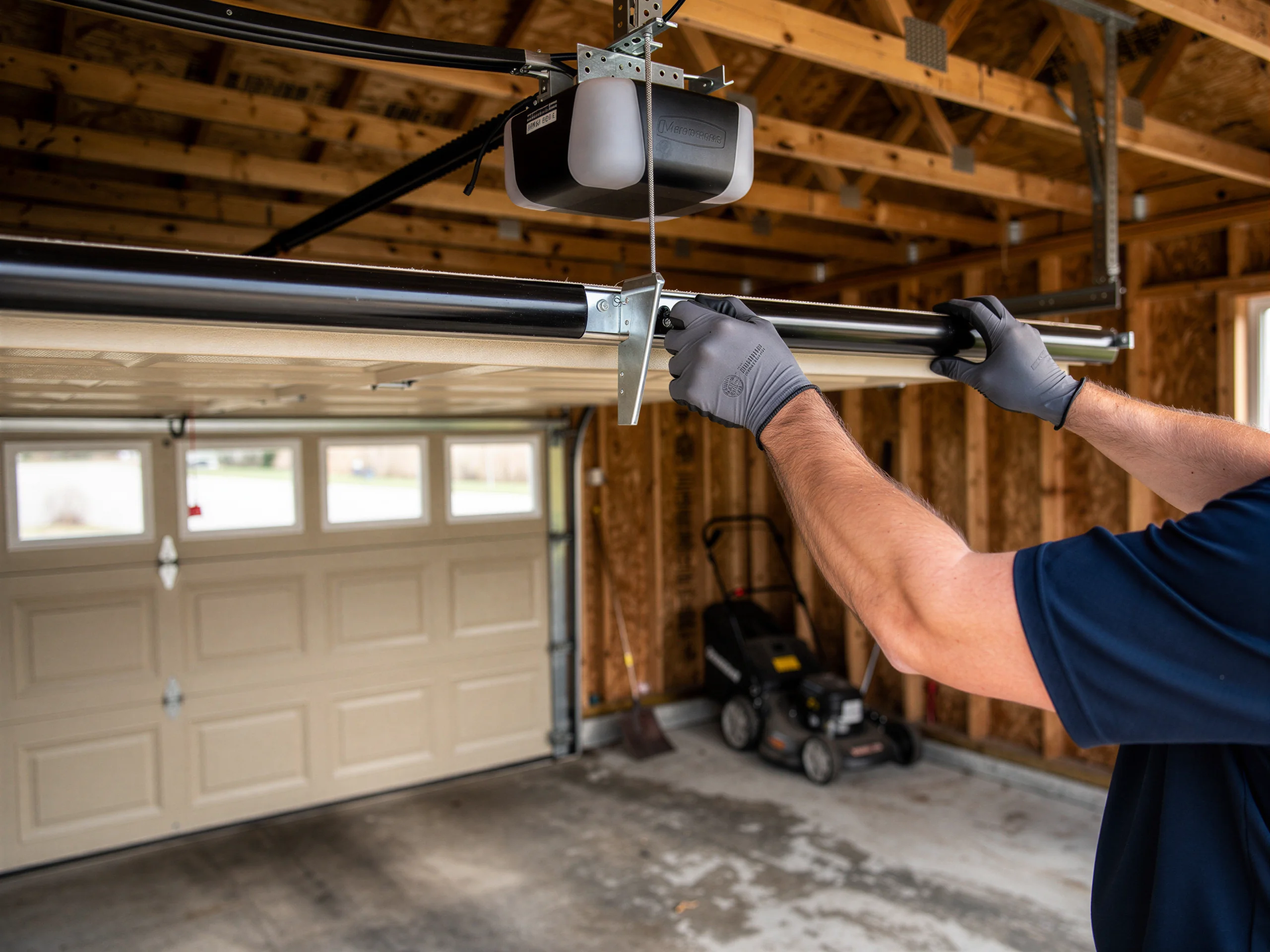
A technician kneels, adjusting a garage door sensor on the track.

Garage Door Service for Destin Homes

Garage door repair and tune-up service for Destin homes built mostly between 1973 and 2013 - spring, opener, and track work suited to this area's housing stock. Learn more →
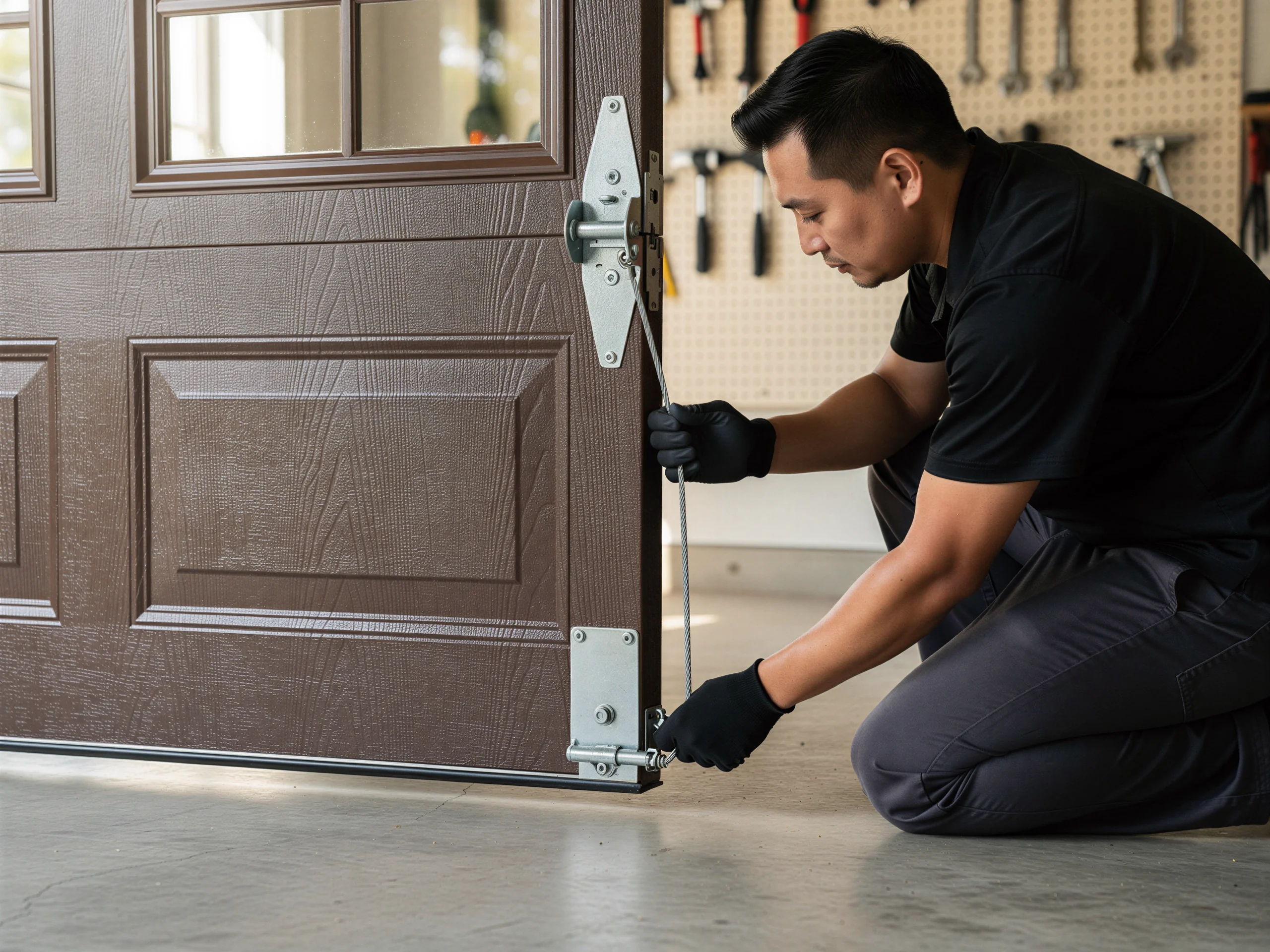
A technician in black gloves works on the bottom of a brown garage door.

Garage Door Cable Repair Around Destin

Broken or frayed garage door cables are common in Destin's 1970s-80s housing stock and salt air. Learn more →
A technician wearing gloves adjusts a garage door opener bar inside a garage.

Garage Door Opener Installation Around Destin

Opener installs and swaps for Destin-area homes built 1960s-2010s. Learn more →

Ready when you are

Need a garage door sorted in Destin?

Destin Garage Door Pros repairs and installs garage doors, springs and openers in Destin, FL and the surrounding area.

Call Now(850) 615-1243