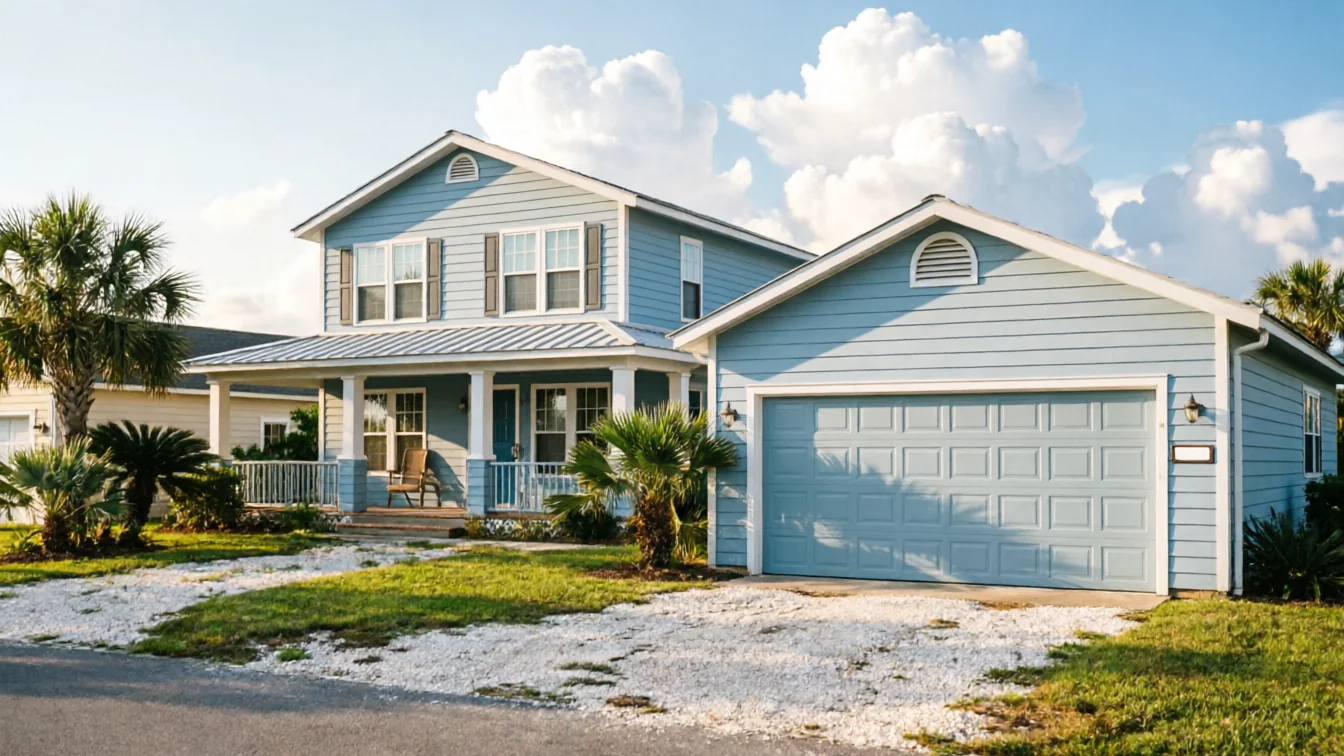
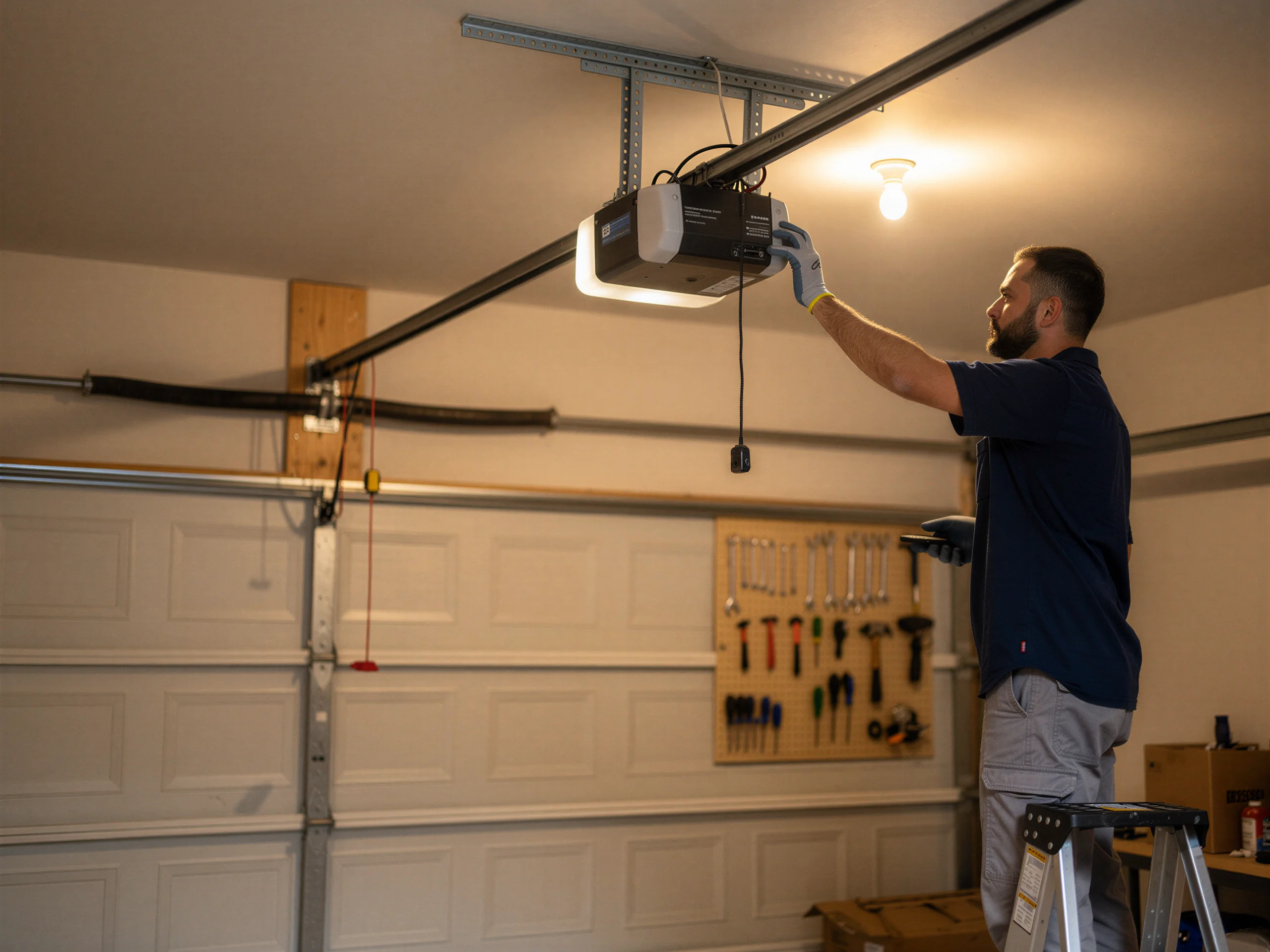
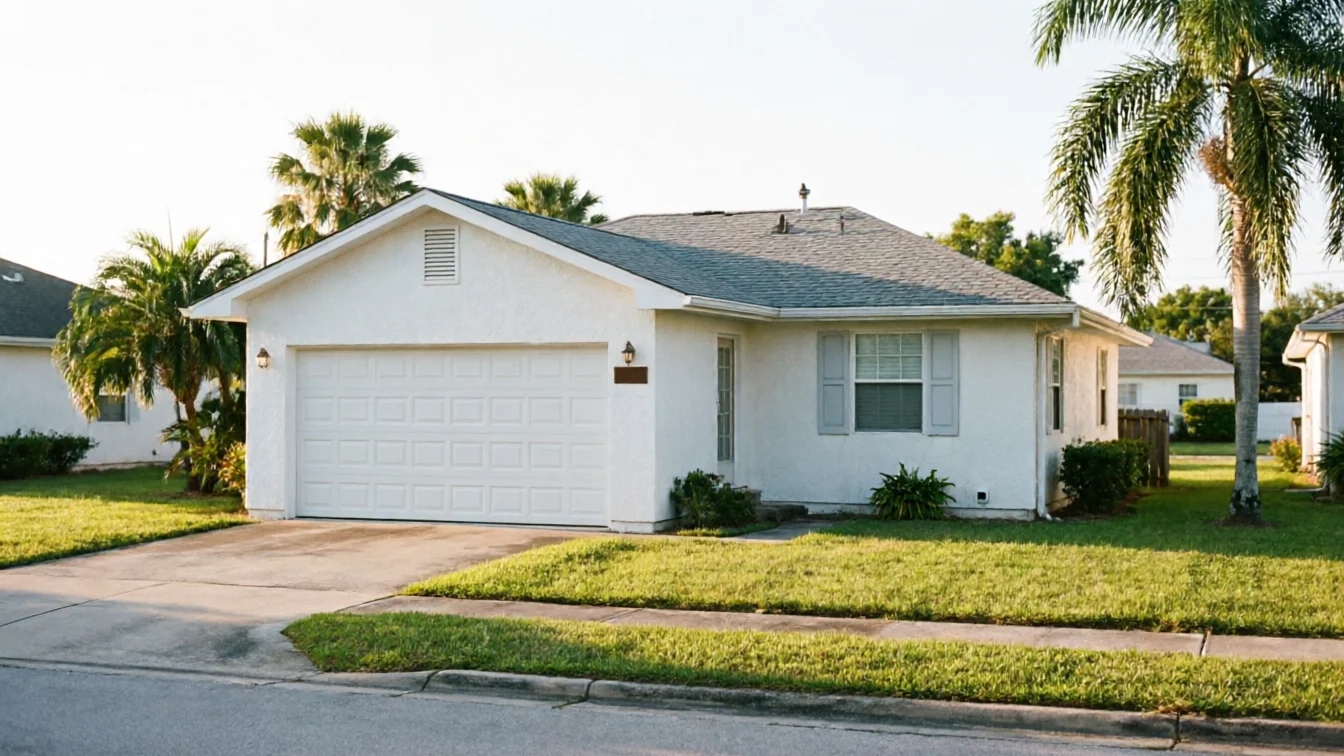
Mary Esther's housing stock centers on 1973, a few years older than the wider service area's 1979 median. That gap matters more than it sounds. A door and opener installed in 1973 predates almost every safety standard homeowners assume is standard now - auto-reverse sensors, galvanized torsion springs rated for coastal humidity, double-thick insulated panels. If your house here hasn't had the door swapped since it was built, you're likely running original or first-replacement hardware that's 30 to 50 years into a service life nobody engineered for that long.
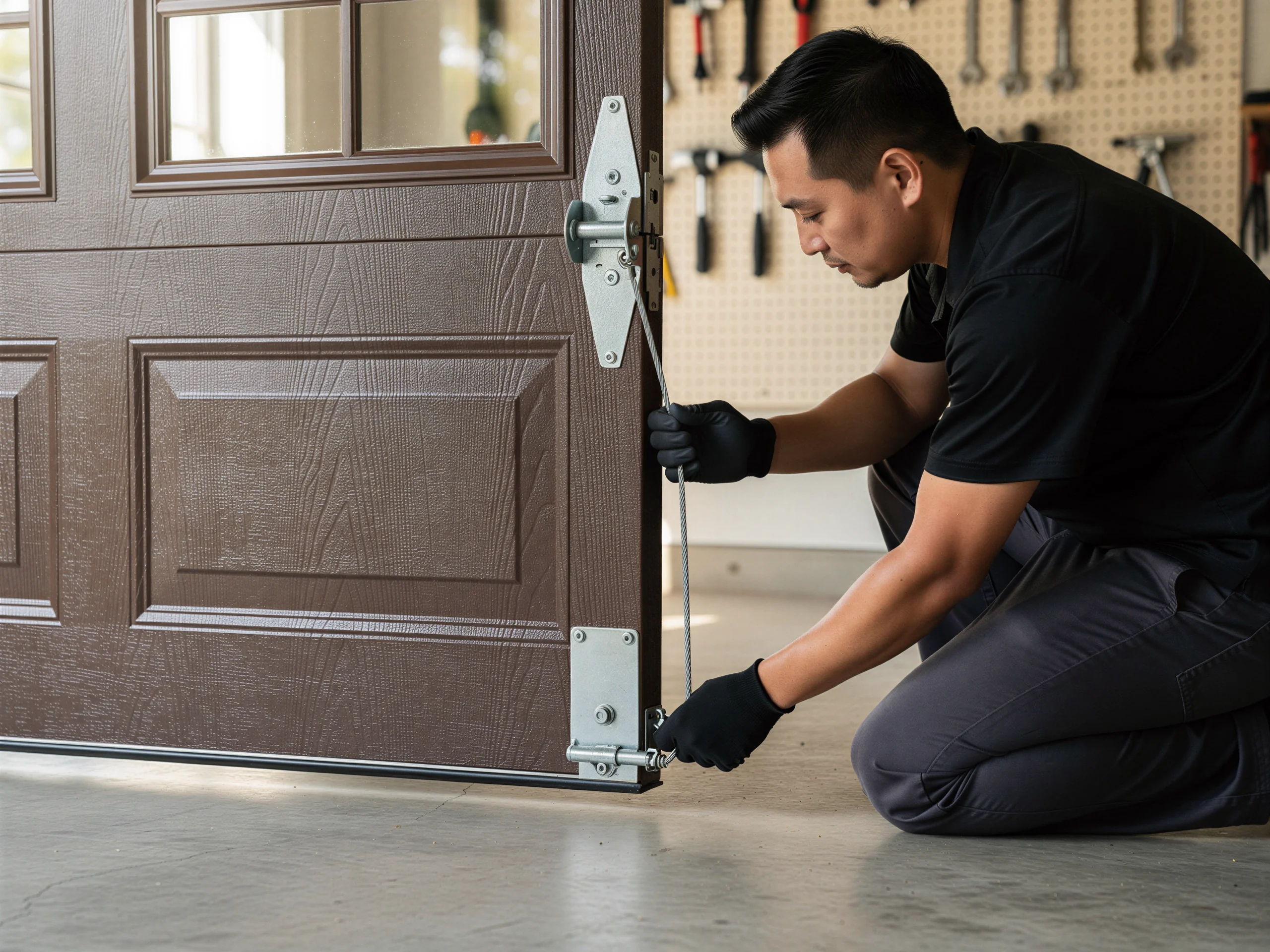
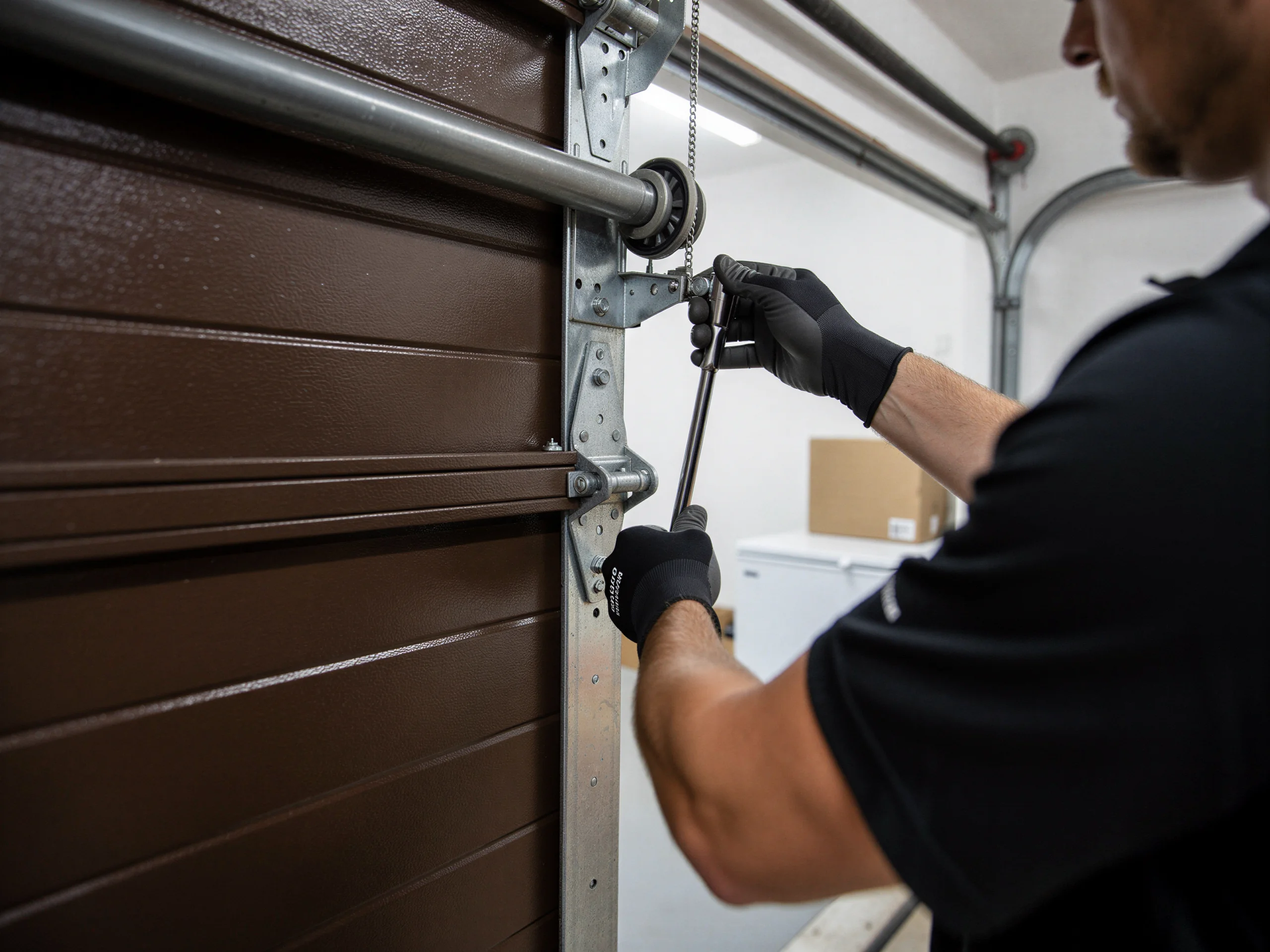
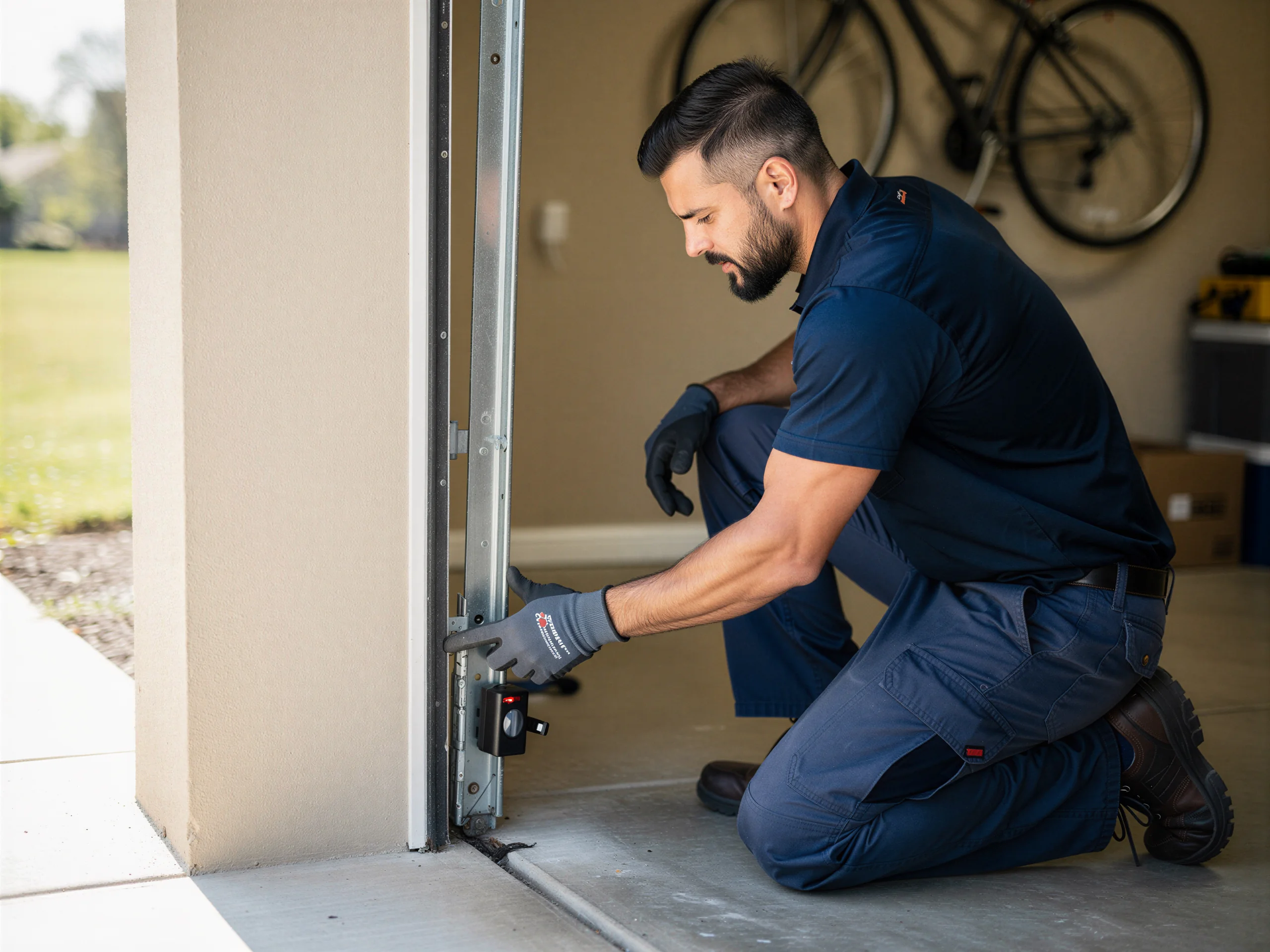
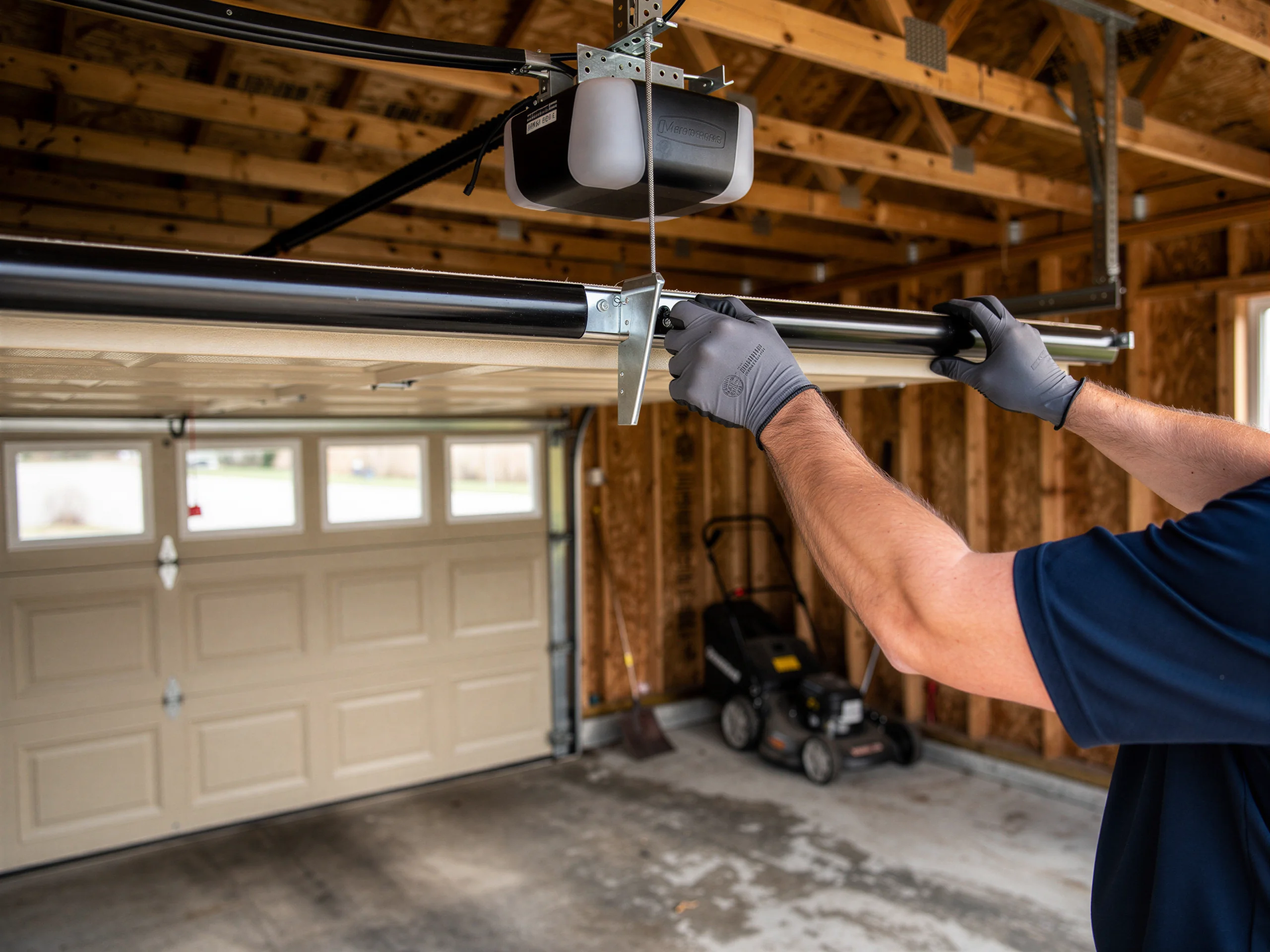
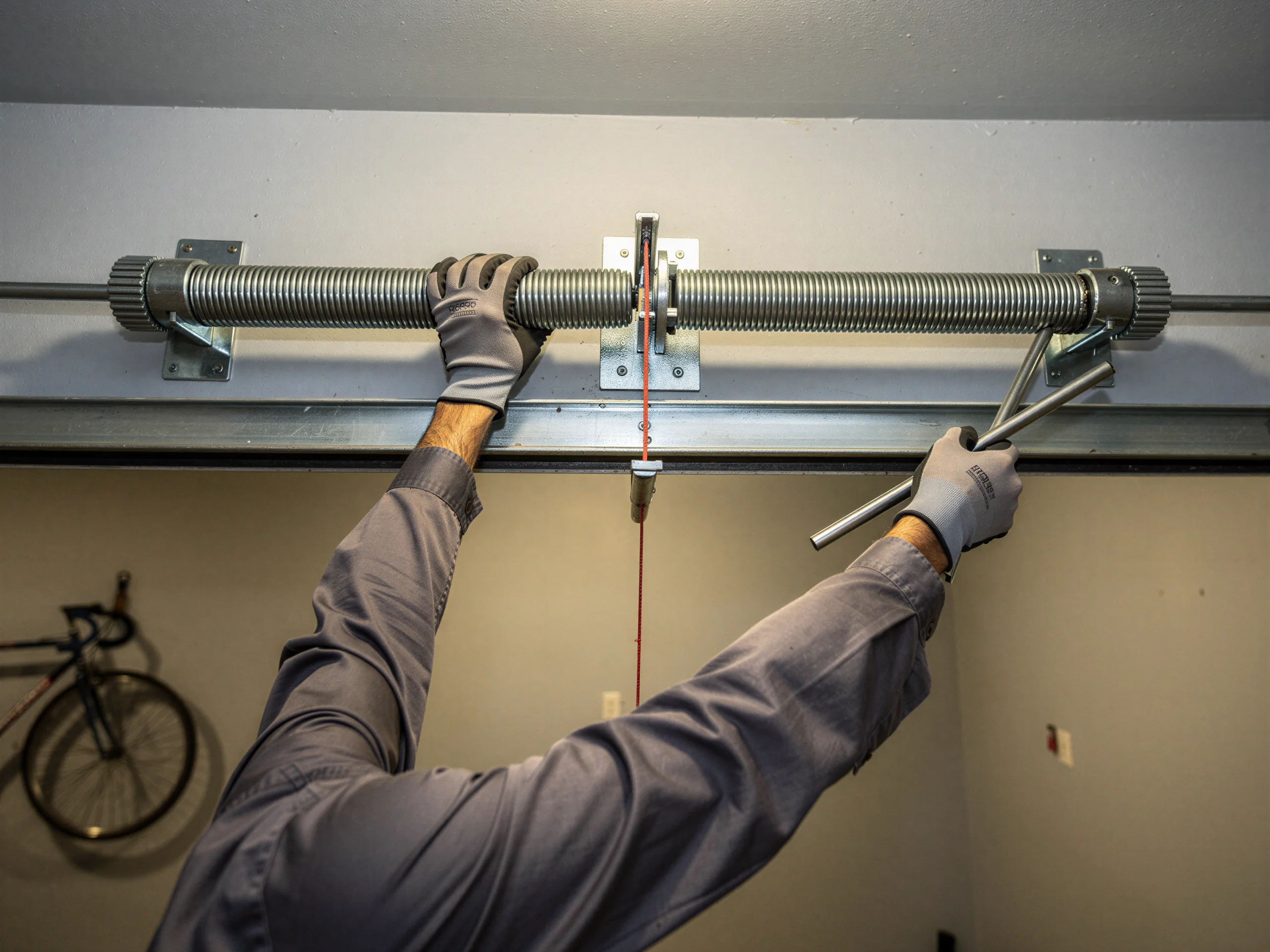
We see a specific pattern in this age bracket: single-torsion-spring setups on doors that were never resized for later, heavier insulated panels someone bolted on later as an upgrade. The spring wasn't rated for the new weight, so it fails faster than the rest of the door. Steel tracks from this era also tend to be narrower gauge than what's sold today, which means a bent track isn't always a drop-in swap - sometimes the whole rail has to go.
None of this means your door is a lost cause. It means whoever services it should know what they're looking at before they quote a fix.